What Is Reputation Marketing for Your Business?

Learn how reputation marketing builds trust, boosts visibility, and attracts customers to your business using positive reviews and feedback.
In a world where reputation is everything, how your business is perceived can determine its success. A reputation marketing strategy helps shape that perception by combining reputation management with marketing efforts. This enhances your brand image, improves search visibility, and boosts sales by leveraging positive customer feedback and online presence.
Today’s consumers rely heavily on online reviews and social proof before making purchasing decisions. Trustpilot found that reviews matter more to customers than pricing and discounts. Additionally, customers will pay more for the same item from a company with good reviews versus one with no reviews
A single negative review or a lack of an online presence can have a big influence on whether or not a potential customer chooses your business. This is why reputation marketing is so much more than a nice-to-have — it’s a must-have component of a modern reputation marketing strategy.
We can help you develop your brand’s reputation even if you’re starting from zero or rebounding from reputational damage. Call us at 941-259-4554 for more information about creating an effective reputation marketing strategy.
What Is Reputation Marketing?

Reputation marketing is a strategic approach to managing and promoting a brand’s reputation online. It involves acquiring and showcasing positive content to build trust, credibility, and loyalty with potential customers.
By combining brand marketing, reputation management, and customer engagement, reputation marketing becomes a powerful strategy for business growth. It amplifies positive customer experiences to attract new customers and foster long-term relationships. Essentially, it turns satisfied customers into brand advocates, boosting the company’s online presence and credibility.
The Importance of Having a Strong Reputation Marketing Strategy
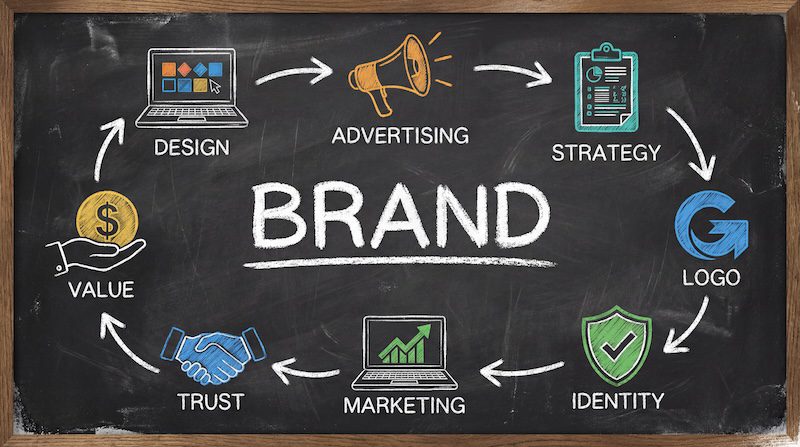
Reputation marketing helps businesses build and maintain a positive brand image by managing reviews, customer feedback, and social media interactions. It turns customer experiences into powerful tools for enhancing trust, awareness, and success. Leveraging positive reviews strengthens a business’s reputation, improves local SEO, and helps attract and retain customers.
Reputation marketing differs from brand marketing in that it focuses on user-generated content (UGC), like customer reviews and testimonials. It also contrasts with reputation management by proactively promoting positive feedback rather than just responding to negative comments.
Reputation Management vs. Reputation Marketing

While often used interchangeably, reputation management and reputation marketing serve different purposes. Reputation management focuses on monitoring and repairing a brand’s online reputation, often in response to negative reviews or crises. It’s a reactive strategy aimed at mitigating damage. Reputation marketing, on the other hand, promotes a brand’s positive reputation to attract customers, build trust, and drive business growth.
Key Differences:
- Reputation management is reactive; reputation marketing is proactive. Reputation management deals with issues as they arise, while reputation marketing builds a positive image from the outset.
- Reputation management focuses on mitigating negative reviews; reputation marketing amplifies positive feedback. The former controls damage, while the latter promotes positive customer experiences.
- Reputation management is defensive; reputation marketing is growth-driven. Reputation management protects the brand, while reputation marketing expands its reach and influence.
Our clients come to us when they need to build or repair their brand’s online presence. Call us at 941-259-4554 to learn more.
Benefits of Reputation Marketing

Reputation marketing offers key benefits, including:
- Stronger Brand Image: It helps build trust and credibility.
- Increased Customer Loyalty: It encourages repeat business and brand advocacy.
- Improved Business Performance: It drives sales and boosts visibility.
- Effective Crisis Management: It helps businesses respond to feedback efficiently.
By managing customer feedback and online presence, businesses can stand out in competitive markets and foster positive consumer perception. Let’s talk about some of these benefits a bit more.
Brand Image Development
Reputation marketing helps businesses build trust and credibility, which is essential for success in competitive markets. Managing online reviews, encouraging positive feedback, and engaging with customers creates a foundation of social proof. Positive testimonials act as trust signals, reassuring potential buyers of a brand’s reliability. Responding to feedback also shows that the business values its customers, further strengthening loyalty and boosting sales.
Increased Customer Loyalty
Reputation marketing fosters customer loyalty by encouraging repeat business and turning satisfied customers into brand advocates. Key strategies include gathering testimonials, maintaining open communication, and engaging through personalized outreach on social media. These practices increase trust and nurture long-term relationships, sustaining business success.
Improves Online Visibility and Brand Awareness
Online reputation marketing improves visibility and brand awareness through content creation, positive reviews, and search engine optimization (SEO). By generating user content and engaging with audiences on social media, businesses can enhance their online presence and reach more potential customers. This also ensures brands appear prominently in search results, reinforcing their visibility.
Attracts New Customers
A strong brand reputation and positive reviews are vital in attracting new customers. Reputation marketing helps showcase a business’s credibility through customer testimonials, social proof, and active engagement on digital platforms. Highlighting positive reviews encourages potential customers to trust the brand, making reputation marketing essential for growing a loyal customer base and driving business success.
How To Implement Reputation Marketing for Your Business

Effective reputation-based marketing involves monitoring your online presence, engaging with customers, and using strategies like social media and local SEO to improve your brand’s image.
Monitoring reviews allows businesses to respond professionally to concerns, building trust. Furthermore, encouraging reviews fosters engagement and satisfaction, while social media strengthens connections.
Additionally, using online directories and local events can boost visibility and enhance brand awareness, contributing to long-term success.
Managing Negative Reviews
Negative reviews are unavoidable, but how you respond can make all the difference. Here’s how to manage them:
- Respond promptly and professionally. Show that you value customer feedback.
- Acknowledge concerns and apologize. A sincere apology can mend relationships.
- Offer a solution. Show that you’re proactive in solving problems.
- Keep responses public. Transparency builds trust with potential customers.
Think that ignoring a negative review is the best solution? Think again. BrightLocal found that 88% of consumers would use a business that replies to all reviews, both positive and negative, but only 47% would use a business that doesn’t respond to its reviews.
Responding to Negative Reviews
When responding to negative reviews, keep these best practices in mind:
- Be concise and professional. Long responses may seem defensive.
- Avoid being defensive. Stay calm to avoid escalating the situation.
- Show empathy. Acknowledge the customer’s concerns and show you care.
- Offer a solution. Provide actionable steps to resolve the issue.
- Follow up. Ensure the customer is satisfied with the resolution.
Following these steps can turn negative reviews into opportunities to demonstrate your commitment to customer satisfaction.
Common Mistakes To Avoid in Reputation Marketing

Even the best marketing strategy can fall short if you ignore or don’t know about common pitfalls. Avoiding the following mistakes will help protect your brand image, strengthen customer trust and ensure your efforts drive the results you’re after.
Ignoring Negative Reviews
We touched on this above, but it’s worth covering again. Ignoring negative feedback damages trust and makes customers feel dismissed and unimportant. Every review gives you the chance to demonstrate your accountability, reinforce your commitment to customer satisfaction and engage with an important member of your audience.
Responding Emotionally or Defensively
Argumentative or reactive responses will only escalate already negative situations, further harming your brand image. Keep your response calm, professional, and solution-focused to show that your business is credible and that you’re in control.
Only Focusing on Damage Control
If you only engage with your customer base when something goes wrong, you’re missing the core of trust-based marketing. Instead, proactively highlight positive customer experiences and reviews. This will allow you to shape the public’s perception of your company before issues arise.
Not Asking for Reviews
Even the most satisfied customers won’t think to leave you feedback unless they’re prompted to. And without a steady stream of reviews, your online appearance will stagnate. Create an automated process that requests reviews a short time after a customer has made a purchase or contacted support.
Inconsistent or Delayed Responses
If you provide only irregular or slow engagement, you’ll come off as inattentive to the most important people to your company: your customers. Instead, commit to providing consistent and timely responses. This shows that your business is active and reliable.
Neglecting Social Media
Treating social media as a one-way channel instead of an opportunity for conversations and engagement limits its potential. Active engagement is relationship-building, and it also strengthens your brand voice and visibility.
Lack of a Clear Strategy
Posting or responding before you have a dedicated plan in place can lead to inconsistent messaging. When you have a defined reputation marketing strategy, your efforts will be aligned with your branding and goals.
How To Measure the Success of Your Reputation Marketing Efforts

To understand if your marketing efforts are actually working, you have to track the right metrics and go beyond surface-level feedback. Measuring performance helps you identify where you’re doing the right thing and which areas need improvement.
Review Volume and Ratings
Monitor how many reviews you’re receiving, as well as your company’s overall star rating across platforms. If you have a steady increase in positive reviews, this is a solid indicator that your strategy is working.
Review Response Rate and Time
Track how quickly and consistently you respond to customer feedback. Prompt, thoughtful responses signal strong customer engagement and reinforce trust.
Customer Sentiment and Feedback Trends
Look for patterns in what customers are saying — when the same complaints or strengths are mentioned over and over, this tells you a lot. From there, use what you’ve discovered to refine your messages and operations.
Social Media Engagement
Measure comments, direct messages, likes and shares to gauge how active your audience is regarding brand interactions. High engagement reflects stronger brand awareness.
Search Visibility and Local Rankings
91% of consumers say their overall perception of big brands is impacted by reviews of local branches. Track where your business appears in search results, especially for branded and local terms.
Conversion Rates
Where is your marketing turning into action? Assess clicks, inquiries and purchases to ensure your conversion rates are improving.
Customer Retention and Repeat Business
Loyal customers are a major goal of effective marketing. Track ongoing engagement and repeat purchases to ensure people are returning.
Final Thoughts
Reputation-focused marketing is about more than collecting positive reviews (though that’s definitely part of it); it’s also about actively shaping how your business is perceived while building lasting relationships with customers. To turn every interaction into a growth opportunity, do the following:
- Monitor feedback
- Engage with your audience
- Amplify positive experiences
- Learn from constructive criticism
A strong strategy will help you stand out in even the most competitive market. From there, you’ll be able to attract new customers while retaining loyal ones.
You don’t just want your brand to be seen — you also want it to be trusted, respected and remembered.
At InternetReputation.com, we offer a range of reputation management and marketing services, including online review management and reputation repair following a crisis. Our five-step process includes analysis, web property development, content creation, publishing and promotion.
Learn more about us here and get in touch with us by calling 941-259-4554 today.