Is Wikipedia Reliable? Tips for Evaluating Its Information
Is Wikipedia reliable, or is it possible that Wikipedia entries include false information? Read on to find out.
Wikipedia has significantly transformed the way we access information by providing a vast and easily accessible repository of knowledge. Its influence extends across various fields, including academic research, media, and educational institutions such as Harvard and James Cook University.
While the platform’s user-generated content allows for quick updates and covers a wide array of topics, this openness also raises important questions regarding the reliability and accuracy of the information presented. Although volunteer Wikipedia editors strive to enhance content quality and ensure the reliability of sources, concerns about circular sourcing and editorial bias continue to be prevalent in Wikipedia articles.
Are you concerned about how public information is shaping your brand perception? Speak to one of our specialists by calling 941-259-4554 today.
What Is Wikipedia?
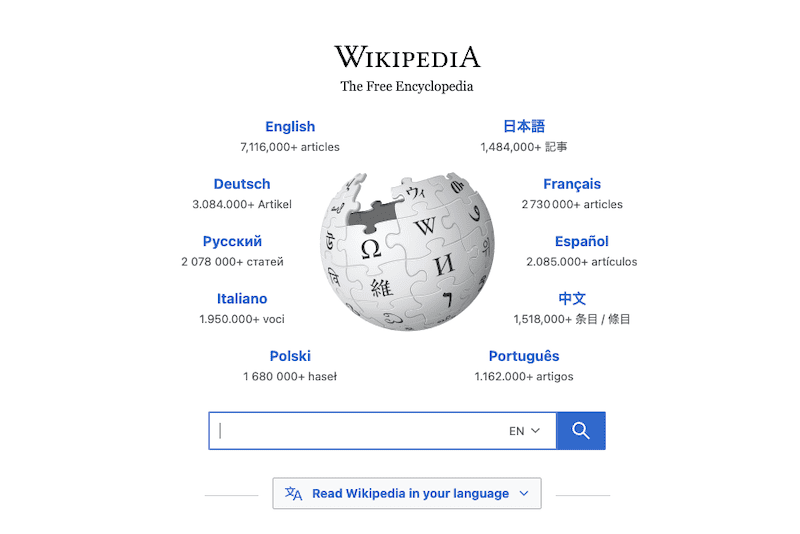
Wikipedia is a free online encyclopedia that offers an extensive array of information accessible to users worldwide. Its open model allows anyone to contribute and edit content, making it one of the most popular platforms for information retrieval. The editorial community has established guidelines for contributors to ensure quality and reliability.
However, despite its wide-ranging knowledge on various topics, Wikipedia’s reliance on user-generated content raises concerns about source reliability and information accuracy. While volunteer Wikipedia editors strive to work within these community guidelines to maintain oversight, issues such as circular sourcing and editorial bias can still emerge, especially with controversial subjects where accurate sourcing and editorial commentary are vital.
How Does the Wikipedia Model Work?
Wikipedia functions through a collaborative model in which volunteer editors continuously update and refine content based on their expertise across a wide range of topics. This transparent editing history enables Wikipedia users to track changes and access previous versions of articles, which is crucial for verifying information and maintaining accuracy.
To enhance its content’s reliability, Wikipedia strongly emphasizes citing reputable sources and regularly updates its citation guidelines. This approach effectively balances user-generated contributions with the standards typically found in academic research, making Wikipedia a valuable resource for anyone seeking trustworthy information.
Your online reputation is impacted by Wikipedia pages and other articles online. Take back control of your brand story — find out how by calling 941-259-4554 to speak with an expert.
What Are the Pros and Cons of Using Wikipedia?
Wikipedia has advantages and disadvantages that users should consider when seeking information.
On the positive side, it provides a vast array of free information continuously updated by a community of volunteer editors, making it a great starting point for research.
However, because the content is user-generated, there can be concerns about accuracy and editorial bias, which makes it less reliable as the only source for academic research.
Users must approach Wikipedia critically and supplement it with additional authoritative and reliable secondary sources when required.
Pros
Wide Range of Information Available
Wikipedia provides extensive coverage of various topics, making it an invaluable resource for information retrieval across multiple fields, from the arts to the sciences. Its vast database enables users to access information that may be difficult to find elsewhere, especially on niche subjects.
For instance, a student might delve into the complexities of World War II by utilizing both primary and secondary sources. At the same time, someone casually browsing could search for culinary recipes or gardening tips and find a Wikipedia page dedicated to the topic. The platform also keeps users informed about the latest trends in pop culture, making it a go-to reference for enthusiasts interested in their favorite films or music genres.
This diversity means that whether someone is looking for scientific insights on climate change or exploring artistic movements like Impressionism, they can find well-cited Wikipedia entries connected to scholarly sources and credible media.
Moreover, Wikipedia’s collaborative editing model allows for continuous updates, further enhancing its reliability as a resource.
Constantly Updated
One of Wikipedia’s key advantages is its real-time updates, which are made possible by a dedicated community of volunteer editors. These individuals continuously review and edit content to ensure that it remains accurate and relevant. Wikipedia’s dynamic nature is particularly beneficial for informing users about rapidly changing topics, such as COVID-19 and other current events.
Frequent updates enable the information to reflect the latest findings and news, crucial during significant global events or scientific breakthroughs. Similarly, the platform provides valuable insights into political developments, including elections and international relations.
Volunteer editors are essential in this process; they not only contribute content but also fact-check and cross-reference sources to correct misinformation. This rigorous approach aligns with academic citation standards, helping to ensure that Wikipedia remains a trustworthy resource.
Ultimately, this collaborative effort embodies the spirit of crowdsourced knowledge, fostering a Wikipedia community committed to keeping the platform timely and reliable.
Free To Use
Wikipedia provides free access to many articles, making it an invaluable resource for individuals worldwide who want to expand their knowledge without facing financial barriers. This unrestricted access not only promotes knowledge sharing but also democratizes the dissemination of information.
The importance of free access cannot be overstated, as it helps bridge gaps among people from different socioeconomic backgrounds. For students in underfunded educational systems, Wikipedia becomes an essential research tool, allowing them to engage in academic discussions that might otherwise be out of reach. Additionally, community members can enhance their skills and knowledge, empowering them to participate more actively in local issues and advocate for their needs effectively.
Ultimately, this accessibility fosters greater community engagement and leads to a more informed citizenry, contributing to social equity. When users from diverse backgrounds collaborate and share their insights, society’s collective intelligence is enhanced, paving the way for meaningful discussions and actions that resonate across various areas of life.
Cons
Anyone Can Edit the Information
One major drawback of the platform is that anyone can edit a Wikipedia page, raising concerns about the reliability of sources and the effectiveness of editorial oversight. This open editing policy can result in inaccuracies and misinformation if not adequately monitored, highlighting the need for a more structured approach to content verification.
While this community-driven model fosters collaboration in knowledge creation, it also presents challenges. Users need to navigate the complexities of editing history to assess the reliability of the information presented in a Wikipedia article. By reviewing the history of changes made to a Wiki article, readers can gain insights into its current accuracy.
This practice encourages critical thinking and reinforces the importance of relying on contributions from credible authors who reference trustworthy sources.
Credible authors typically have expertise in their subject matter and are often affiliated with respected organizations, which enhances the information’s accuracy. However, thoroughly examining edits to a Wikipedia article can also reveal biases or intentional alterations that compromise reliability.
While this open editing system has unique advantages in democratizing knowledge, users must remain vigilant in discerning trustworthy information from potential inaccuracies, especially in rapidly changing fields.
Biased, Inaccurate or Defamatory Content
One of the significant downsides of using Wikipedia is the potential for biased or inaccurate information. Editorial bias can distort the presentation of facts and impact the overall quality of content. This bias often arises from the subjective perspectives of the contributors.
Controversial topics like climate change, gun control, and political elections are prime examples of how differing viewpoints can lead to significant discrepancies in a Wikipedia article. Such bias not only undermines the factual integrity of Wikipedia but also influences public perception, creating a breeding ground for misinformation, especially on platforms like Quora and Reddit.
Given this reality, readers need to approach Wikipedia with a critical mindset. They should validate facts by looking at other peer-reviewed sources and seek to understand multiple perspectives on contentious issues.
By being aware of these biases, users can more effectively navigate the complexities of information and gain a deeper understanding of the topics they are exploring when using Wikipedia as a source.
Don’t let biased or inaccurate information ruin the digital reputation you’ve worked so hard for. Get a free consultation with one of our ORM experts by calling 941-259-4554 today.
Even Popular Pages Shouldn’t Be a Primary Source
Wikipedia should not be considered a primary source when researching a topic. This presents significant challenges for users engaged in academic research or seeking scholarly materials.
The platform primarily cites secondary sources rather than original research papers or peer-reviewed literature. While users can find a wealth of information on Wikipedia, the reliability of that content is often questionable. It’s crucial to carefully evaluate sources to ensure accuracy and credibility.
Relying solely on Wikipedia can lead to misinformation or an incomplete understanding of complex topics. Instead, researchers should prioritize primary sources that provide direct evidence.
Primary sources include original documents, such as letters, diaries, and interviews. Additionally, reputable academic journals publish peer-reviewed articles that undergo thorough evaluations.
By focusing on primary and peer-reviewed materials, individuals can strengthen the integrity of their research and contribute to a more reliable body of knowledge.
How To Evaluate the Reliability of Information on Wikipedia and Other Websites
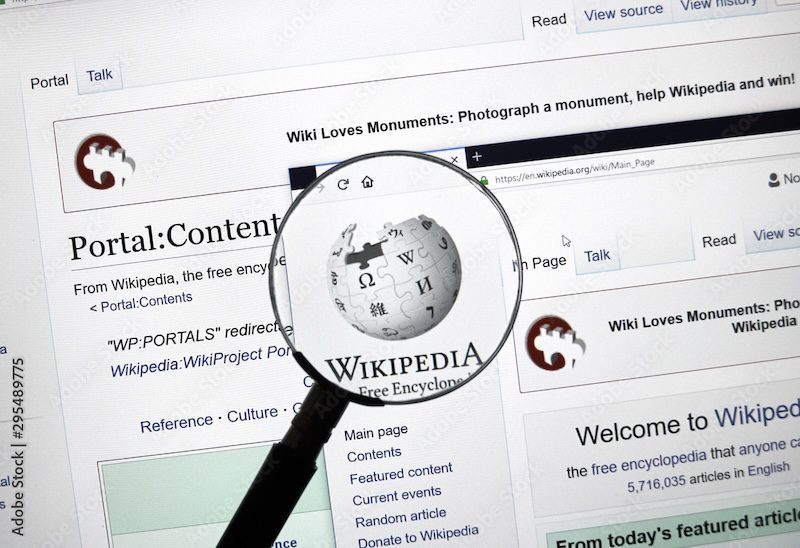
Evaluating the reliability of information on Wikipedia is crucial for users, and it requires a systematic approach to ensure content accuracy and credibility.
- One of the first steps is to check the sources cited at the end of each article. By validating these references against established citation guidelines and reputable publications, users can confirm the reliability of the information presented.
- Understanding the distinctions between main sources, secondary sources, and peer-reviewed articles further aids in assessing the quality of the references.
- Additionally, identifying credible authors plays a significant role; checking their qualifications and affiliations with respected institutions can greatly enhance the trustworthiness of the Wikipedia article.
- Another important aspect is reviewing an article’s edit history. This provides valuable insights into how frequently the information has been updated and the nature of those changes, helping users gauge the article’s stability and the level of scrutiny it has undergone.
- Finally, paying attention to the tone and language of the web page can also indicate potential bias. Articles that maintain neutral and objective language are typically more reliable than those that use emotionally charged or subjective wording.
Using these strategies, users can navigate Wikipedia more effectively and better discern trustworthy information from potential inaccuracies.
What Are Some Alternatives to Using Wikipedia?

While Wikipedia is a popular reference tool, several alternatives can provide more reliable information for academic research and in-depth inquiries.
Scholarly databases are excellent resources that offer access to peer-reviewed articles and published materials essential for serious academic work. These databases enable users to utilize specific keywords, which helps them find relevant results more effectively. Additionally, many of these platforms include tools for citation management, making the research process more streamlined.
Government websites also serve as trustworthy alternatives, providing accurate and official information on various topics, from public health to economic data. The information on these sites is often backed by thorough research and statistics, ensuring its reliability.
Another valuable resource is academic journals, with articles that undergo rigorous scrutiny and are written by experts. This quality level guarantees high-caliber content crucial for credible academic discourse.
Finally, books published by reputable academic publishers provide in-depth insights into various subjects. These texts present meticulously vetted material and contain extensive references that can lead readers to primary sources.
By exploring other popular articles and resources online — including scholarly databases, government websites, academic journals, and books — users can significantly enhance their research and access well-founded information that complements or even substitutes what they might find on Wikipedia.
Final Thoughts: Why Wikipedia Matters for Your Online Reputation
Wikipedia is often one of the first search results people see when looking for a company, brand, or public figure online. And for many readers, a Wikipedia biography or brand page carries an assumption of credibility.
As we’ve explored, though, Wikipedia is not immune to bias, outdated information, or sourcing issues.
Moreover, Wikipedia is more than a research tool — it may also be a component of your online reputation. And unfortunately, inaccurate or misleading brand information on high-authority platforms can influence customer trust, online narratives, and search engine results.
Effective online reputation management means understanding how platforms like Wikipedia shape public perception — and knowing how to address inaccuracies using ethical strategies. By monitoring authoritative sources, strengthening accurate third-party content, and ensuring your digital footprint reflects the true context of your brand, you can protect credibility and maintain trust online.
If you’re concerned about how information across the web — including on Wikipedia — impacts your reputation, working with an experienced online reputation management partner can help you take a proactive, informed approach.
Contact us today at 941-259-4554 for a free consultation with an online reputation expert.