Why Your LinkedIn Profile Is Now Your Most Important Reputation Asset
Your LinkedIn profile is now the first place potential employers, clients, and colleagues go to evaluate you professionally. Before any interview, partnership meeting, or business conversation, people search your name. What they find on LinkedIn shapes their perception of your skills, credibility, and values.
This article covers how LinkedIn profiles function as reputation management tools for working professionals, job seekers, and business owners. It explains what makes a profile credible, which elements matter most, and how to avoid common mistakes that hurt your professional brand. If you’re looking for general social media advice or personal branding across multiple platforms, that falls outside the scope here.
Here’s the direct answer: LinkedIn profiles now serve as the first impression for over 90% of professional interactions. Research shows 92.6% of recruiters find candidate profiles useful in hiring decisions, and complete profiles are 40 times more likely to receive job opportunities through the platform. Your profile matters more than your resume for initial discovery.
By the end of this article, you will:
- Understand why LinkedIn profiles function as permanent professional records
- Know which profile elements create credibility and social proof
- Have a 30-day process to transform your profile into a reputation asset
- Be able to avoid the mistakes that damage professional standing
Understanding Digital Professional Reputation
Professional reputation in the digital age is how recruiters, clients, peers, and employers perceive your skills, reliability, and values based on your online presence. LinkedIn sits at the center of this because it’s structured specifically for professional identity, widely used, and searchable.
The shift happened gradually. A decade ago, resumes and interviews were the main tools for professional evaluation. Now, 86.1% of hiring professionals check candidates’ online presence and social media as a standard practice. Networking has become public. Your connections, content, and endorsements are visible to anyone who looks.
Your Profile as Public Record
LinkedIn profiles appear in Google search results. When someone searches for your name and job title, your profile often appears on the first page. This makes your profile a permanent public record of your career, visible to potential employers, clients, and like-minded professionals.
Profile completeness directly affects how credible you appear. Research from 2025 found that incomplete profiles—missing sections, no photo, sparse information—reduce perceived professionalism, warmth, and trustworthiness. People make judgments about your career and expertise based on what they see, or don’t see, in your profile.
The Network Effect on Reputation
Your connections, endorsements, and recommendations create social proof of your professional standing. Profiles with skill endorsements receive 17 times as many recruiter views as those without. Recommendations from former managers or clients serve as third-party validation that you can deliver results.
Activity matters too. Professionals who post, comment, and engage appear more often in search results. Consistent activity signals that you’re active in your industry and interested in relationships with peers. This network effect serves as the foundation for specific profile-optimization strategies.
Critical Profile Elements That Shape Reputation
Reputation on LinkedIn isn’t abstract. It comes from specific, visible elements that viewers evaluate within seconds. Studies show 86% of recruiters screen profiles in 30 seconds or less. These elements determine whether someone continues reading or moves on.
1. Visual First Impressions
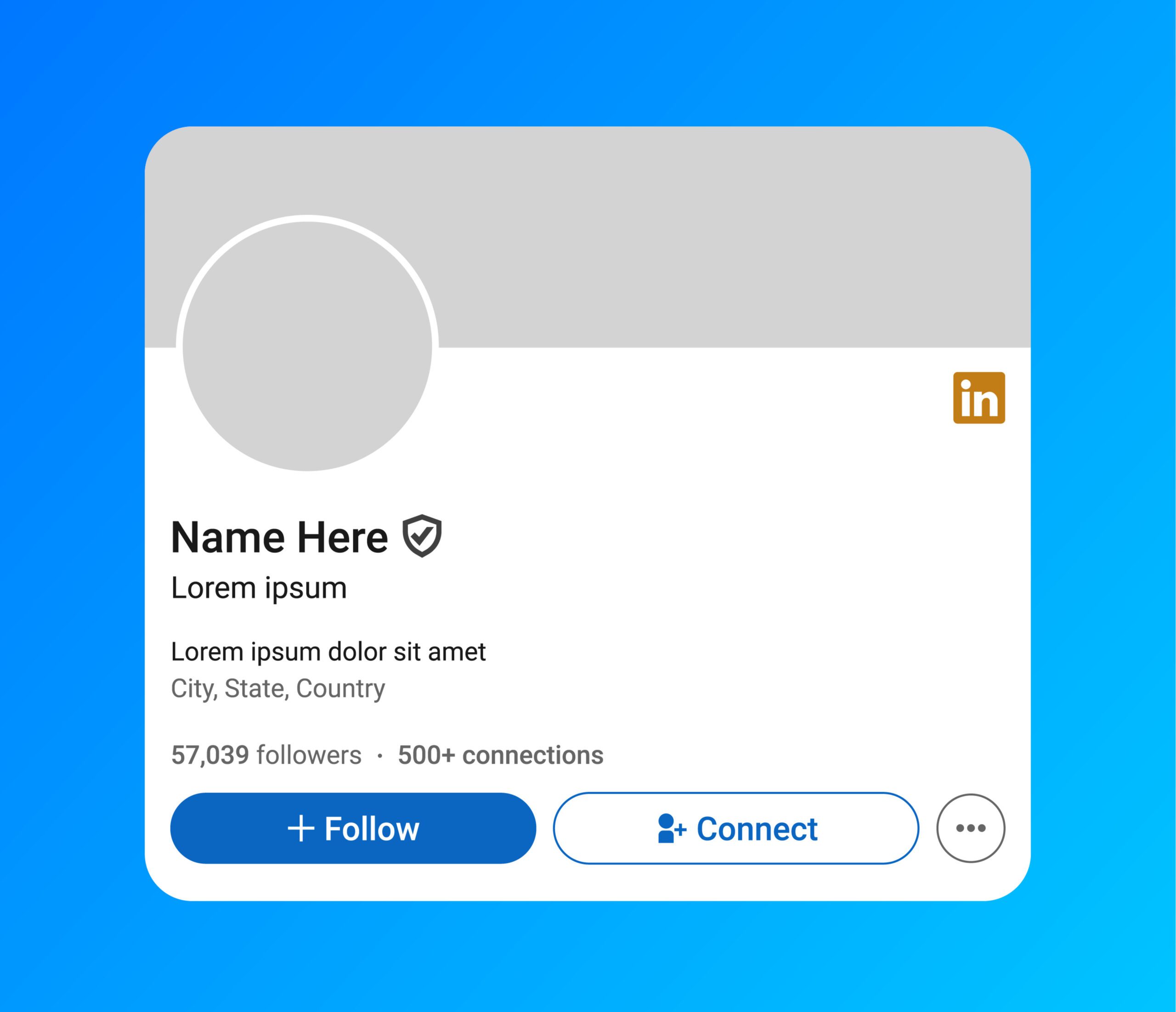
Your profile photo is the most immediate signal of professionalism. Profiles with photos receive up to 14 times as many views as those without. The photo should be clear, recent, and show you looking friendly but professional. Avoid casual photos, group shots, or images with distracting backgrounds.
Your background image reinforces your professional brand without competing for attention. Choose something that signals your industry or expertise—a clean design element, a conference stage, or a subtle pattern related to your work. Avoid cluttered graphics or irrelevant images that create noise.
2. Professional Storytelling Through Content
Your headline has 220 characters to communicate your value. Generic headlines like “Software Engineer at XYZ Company” get lost among millions of similar profiles. Stronger headlines include your specialization, skills, and the keywords recruiters search for. Example: “ML Engineer | Computer Vision for Autonomous Systems | PyTorch Specialist.”
Your summary section allows you to showcase your expertise, achievements, and values in 2,600 characters. Write in first person. Use a story arc: who you are, what you’ve done, why you do it, and what you’re seeking. Include specific outcomes and metrics. Avoid buzzword stuffing—focus on demonstrating real work experience and expertise.
3. Social Proof Integration
Skills and endorsements affect how often your profile appears in recruiter searches. Prioritize 10-15 relevant skills. The top three skills get the most visibility, so arrange them strategically. Get endorsements from colleagues and peers who actually know your work.
Recommendations add credibility that endorsements can’t match. Ask former managers, clients, or colleagues for written testimonials. These third-party validations often tip the balance in close calls. Your activity feed—posts, articles, comments—shows that you engage with your industry and maintain relationships with the right people.
Building Reputation-Focused Profile Strategy
Moving from a basic profile to a reputation asset requires a systematic process. Random updates don’t create a coherent professional brand. You need a plan that addresses visibility, content, social proof, and ongoing maintenance.
The 30-Day Profile Transformation Process
This approach works for job seekers actively looking, professionals wanting to boost career growth, and business owners building credibility. Follow these weekly steps:
- Week 1 – Audit and Visibility: Review your current profile. Make it public. Search your name and job title on Google—does your profile appear? Add keywords to your headline, summary, and experience sections that match what recruiters and potential employers search for.
- Week 2 – Visual and Professional Branding: Update your profile photo to a clear, professional image. Add a background image that reinforces your industry or expertise. Clean up job titles to be specific and clear. Make your headline communicate value, not just position.
- Week 3 – Content and Social Proof: Rewrite your summary with a story, outcomes, and values. Add or refresh your skills list. Request at least two recommendations from people who can speak to your achievements. Gather endorsements from relevant connections.
- Week 4 – Engagement and Maintenance: Post one piece of original content or share expert insights with your commentary. Join or engage in groups related to your industry. Comment on posts from your network. Check your analytics—search appearances and profile views—to understand what’s working.
Profile Types and Reputation Goals Comparison
| Profile Type | Headline Approach | Content Strategy | Networking Focus |
|---|---|---|---|
| Job Seeker | Role + desired specialization + industry keywords | Emphasize achievements and metrics; polish summary to show value to employers | Regular posts, articles, and featured content; share insights and trends |
| Thought Leader | Authority positioning: niche + audience + content theme | Connect with peers, contribute in groups, and explore speaking and writing opportunities | Connect with peers, contribute in groups; explore speaking and writing opportunities |
| Business Owner | Mission + unique value proposition + customer-focused keywords | Showcase client success stories, testimonials, and media coverage | Network with clients, partners, and industry contacts; build brand presence |
Choose the profile type that matches your career goals. You can combine approaches, but clarity about your primary goal helps you maintain a consistent professional brand.
Common Reputation Mistakes and Solutions
Small profile errors compound over time and damage a professional’s reputation. These mistakes are common and fixable.
1. Inconsistent Professional Brand
The mistake: Your headline says one thing, your summary says another, and your recent positions don’t match either. Your photo looks dated. Your activity contradicts your stated expertise.
The solution: Define your core message—the one thing you want people to remember about you. Then review every profile section. Align your photo, headline, summary, experience descriptions, and skills around that message. Use consistent tone and language. Complete this review every few months to maintain alignment.
2. Passive Profile Management
The mistake: You set up your profile once, then ignore it for years. Your skills become stale. Your most recent achievements aren’t listed. You never post or engage with your network.
The solution: Build a maintenance habit. Schedule monthly updates—add new achievements, update skills, and engage with relevant content. Set a quarterly review to check your analytics, adjust keywords based on search appearances, and ensure your profile reflects your current career. Consistency beats intensity.
3. Neglecting Network Quality
The mistake: You accept every connection request regardless of relevance. Your endorsements come from people who don’t know your work. You have no recommendations. Your network doesn’t support your reputation.
The solution: Be selective about new connections. Prioritize people in your industry, potential collaborators, and those who can genuinely validate your expertise. Request recommendations from key stakeholders—managers, clients, colleagues who’ve seen your work firsthand. Build quality connections rather than accumulate irrelevant contacts.
Conclusion
Your LinkedIn profile isn’t a static resume to create once and forget. It’s an active reputation management tool that shapes how potential employers, clients, and colleagues perceive your professional worth. The elements you control—photo, headline, summary, skills, recommendations, activity—collectively build or undermine your credibility.
Take these actions this week to begin your reputation transformation:
- Make your profile public and search for your name on Google to check visibility
- Update your headline with specific value and relevant keywords
- Add or refresh your profile photo and background image
- Ask one former colleague or manager for a recommendation
To continue building your reputation, explore LinkedIn’s advanced features. Newsletters let you publish regular content and build a subscriber base. Live events let you host discussions and showcase your expertise. Skills verification adds credibility in markets where it’s available. Additionally, reputation management firms can be valuable resources, offering professional assistance to monitor, enhance, and protect your online professional image. As AI-powered search becomes more sophisticated, profiles with verified credentials and consistent engagement will stand out among millions of professionals competing for attention.