When a Business Owner’s Personal Reputation Bleeds Into Google Reviews
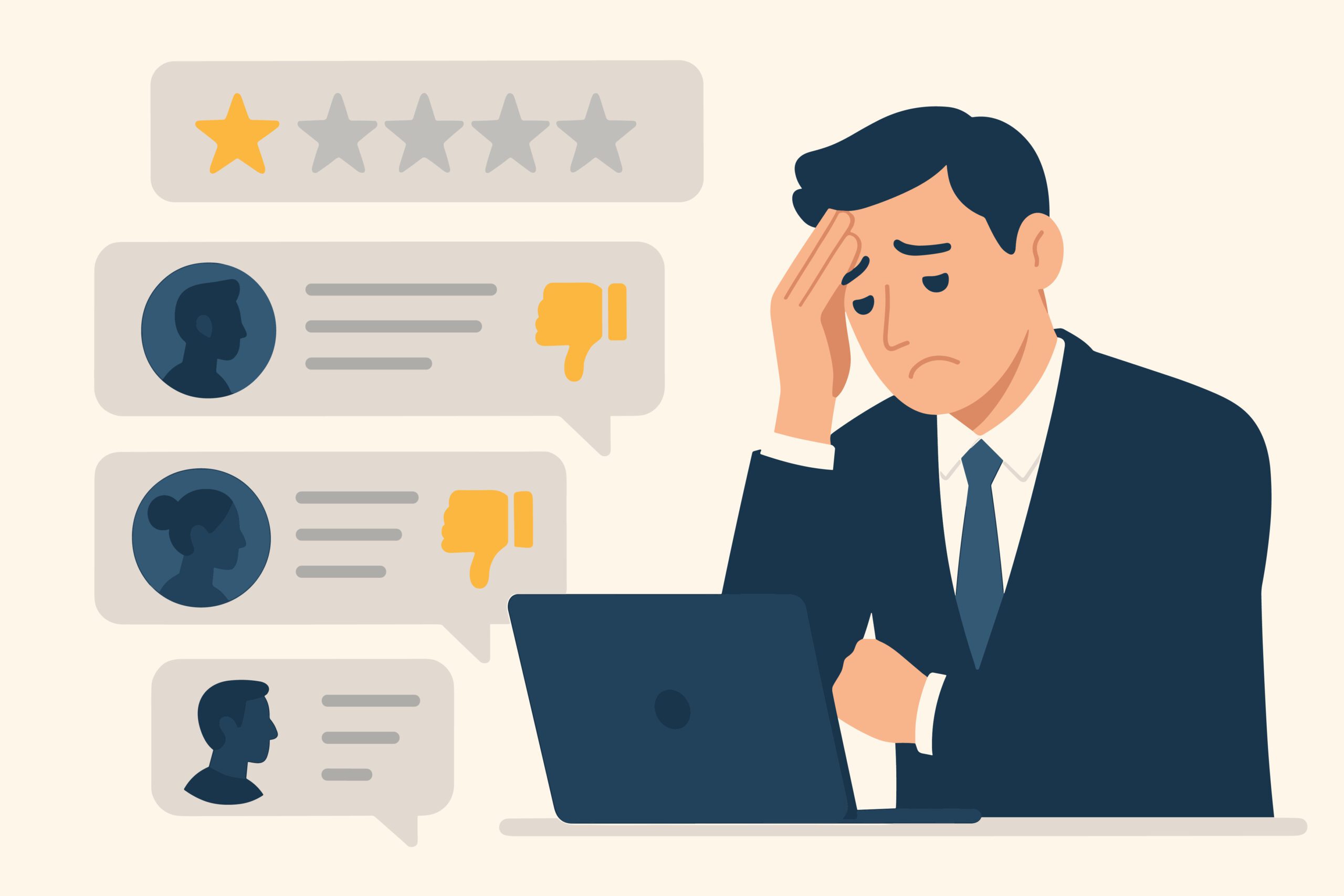
A business does not lose trust all at once. It usually starts with one moment.
A social media argument. A public comment taken out of context. A local dispute that spills beyond its original audience. Within hours, that personal issue shows up where it does the most damage: on Google reviews.
The star rating drops. New reviews mention the business owner instead of the service. Customers scroll, read a few lines, and move on. Bookings slow. Calls stop. The business name now carries baggage unrelated to what happens inside the location.
This is how a personal reputation quietly becomes a business problem.
Why Personal Issues Show Up in Google Reviews at All
Google business reviews are not a private feedback channel. They sit prominently on Google Search and Google Maps, tied directly to a business profile listing. Anyone searching a business name can access them before visiting a website or picking up the phone.
Reviews are meant to reflect genuine customer experience. In practice, they also absorb emotion and personal grievances.
When people feel wronged by a business owner, even outside the business context, they often use the review section as their outlet. Google requires reviewers to be signed into a Google account, but it does not require proof of purchase or visit. That gap is a key reason personal issues show up in reviews.
As a result, personal grievances turn into public feedback. One review becomes several. Others pile on without ever accessing or using the business’s services. The total number of stars drops, and future customers rarely scroll far enough to sort out what is relevant or helpful.
How Google Reviews Influence Search and Customer Decisions
Google Maps reviews do more than shape opinion—they influence visibility and ranking.
Google’s algorithm prioritizes businesses with recent, high-quality reviews. A steady stream of positive feedback signals legitimacy and activity. A sudden wave of negative reviews, even if off-topic or unfair, sends the opposite message.
Most users do not analyze reviews deeply. They scroll, glance at the rating, tap on a comment or two, and decide. In many cases, they never reach the business website or click the link to learn more.
That behavior makes reviews powerful. It also makes them dangerous when personal reputation bleeds into the review section.
What “Bleeding” Looks Like in Practice
When a personal issue spills into reviews, recognizable patterns appear quickly:
- Reviews reference the business owner’s personal behavior rather than the services or products.
- Comments mention unrelated personal disputes, social media posts, or local events.
- Multiple reviews appear on the same date with similar language or text strings.
- Accounts leave feedback without describing an actual visit or purchase.
On Google Maps, these reviews sit alongside legitimate customer feedback. Mobile users may see only a limited number of reviews due to scrolling issues or technical constraints, so the most recent or most emotional comments carry outsized weight.
The result is distortion. The business profile no longer accurately reflects the business’s true quality or service.
Why Customers Mix Personal and Business Feedback
People trust reviews. Many trust them as much as personal recommendations from friends or family.
That trust creates a shortcut. When users see a low rating or an emotional comment, they assume it reflects real experience. They do not stop to check dates, reviewer history, or relevance.
Emotion travels faster than facts. A frustrated person is more likely to write a review than a satisfied one. When personal conflict exists, the review section becomes a megaphone for grievances.
This is not always malicious. It is human behavior amplified by a public system designed to be accessible and transparent.
The SEO and Revenue Impact Most Owners Miss
A drop from 4.8 stars to 3.2 stars is not cosmetic. It changes outcomes.
Lower ratings reduce click-through rates from search results and Google Maps listings. They weaken trust before a customer ever reaches the page. Over time, they affect local ranking and visibility.
Fewer clicks lead to fewer calls. Fewer calls lead to fewer conversions. The damage compounds quietly, impacting revenue and reputation.
This is why review issues tied to personal reputation cannot be ignored or handled casually.
What Not to Do: Buying Reviews or Ignoring the Problem
Some businesses try to fix the issue fast by buying Google reviews. That choice almost always backfires.
Purchased reviews violate Google’s content policy and guidelines. When discovered, they are removed or “pulled” from the listing. Accounts may be flagged or suspended. Customers who notice fake feedback lose trust immediately. Community backlash can be worse than the original problem.
Ignoring the issue is just as risky. Google does not automatically delete or reset reviews. Negative content persists unless addressed through proper methods.
What You Can Control (And What You Can’t)
You cannot control who writes a review or what they say. You can control how the business responds and how visible and accurate the information becomes.
Effective review management focuses on process and compliance:
- Monitor the business profile regularly using the Google My Business dashboard.
- Read reviews for relevance, not just sentiment.
- Flag or report reviews that violate Google’s guidelines or reference non-business issues.
- Respond calmly and professionally to visible comments, showing accountability.
- Encourage real customers to leave honest, helpful feedback with photos or text.
Responding matters. Businesses that reply to reviews signal they hear customer concerns and take feedback seriously. Even negative reviews, when handled well, can build trust with future customers.
How to Respond When Personal Issues Appear in Reviews
Public responses should be factual, restrained, and professional.
Acknowledge feedback without validating false claims. Avoid arguing or getting defensive. Avoid personal explanations or emotional replies. Invite offline conversation when appropriate to resolve issues privately.
If a review clearly violates Google policy, use the “flag” or “report” option through the business profile tab to request removal. Reviews removed for violations are not reinstated, so accuracy in reporting matters.
This approach is not about silencing criticism. It is about keeping the review space relevant and helpful.
Separating Personal Presence From Business Presence
One of the most effective long-term strategies is separation.
Personal social media accounts and profiles should not link directly to the business profile or website. Business messaging should stay focused on services, location, and customer experience. Staff should know how to route feedback appropriately and avoid mixing personal and business communications.
This separation reduces the likelihood that personal issues will become part of the review conversation or affect online reputation.
Rebuilding Trust After a Review Drop
Recovery is possible, but it requires consistency and patience.
Encourage reviews from real customers after positive interactions. Make it easy by sharing a Google review link or placing it on a dedicated reviews page on your website. Ask in person when appropriate. Respond to existing reviews so new customers see engagement.
Over time, accurate feedback dilutes irrelevant noise. Ratings stabilize. Visibility improves.
Reputation recovery is not instant, but it is measurable and achievable with the right approach.
Why This Problem Is Becoming More Common
Nearly everyone reads Google reviews before making a decision. They are now a default research step for consumers.
That makes reviews more influential than ever. It also means that personal and business reputations are closer than they appear.
Businesses that understand this early are better positioned to protect themselves. Those who ignore it often learn the lesson after the damage is done.
The Real Point
Google reviews are not just comments. They are signals.
When a business owner’s personal reputation bleeds into reviews, those signals stop reflecting reality. Search results suffer. Customers hesitate. Revenue declines.
Managing that risk is not about gaming the system. It is about keeping the system accurate, helpful, and compliant.
That work is quiet. It is ongoing. And for modern businesses, it is no longer optional.