How SERP Feature Placement Changes Trust More Than Position
Ranking first in Google used to mean something very specific.
If you were in position one, you were seen as the best answer.
That is no longer how most users experience a search engine results page.
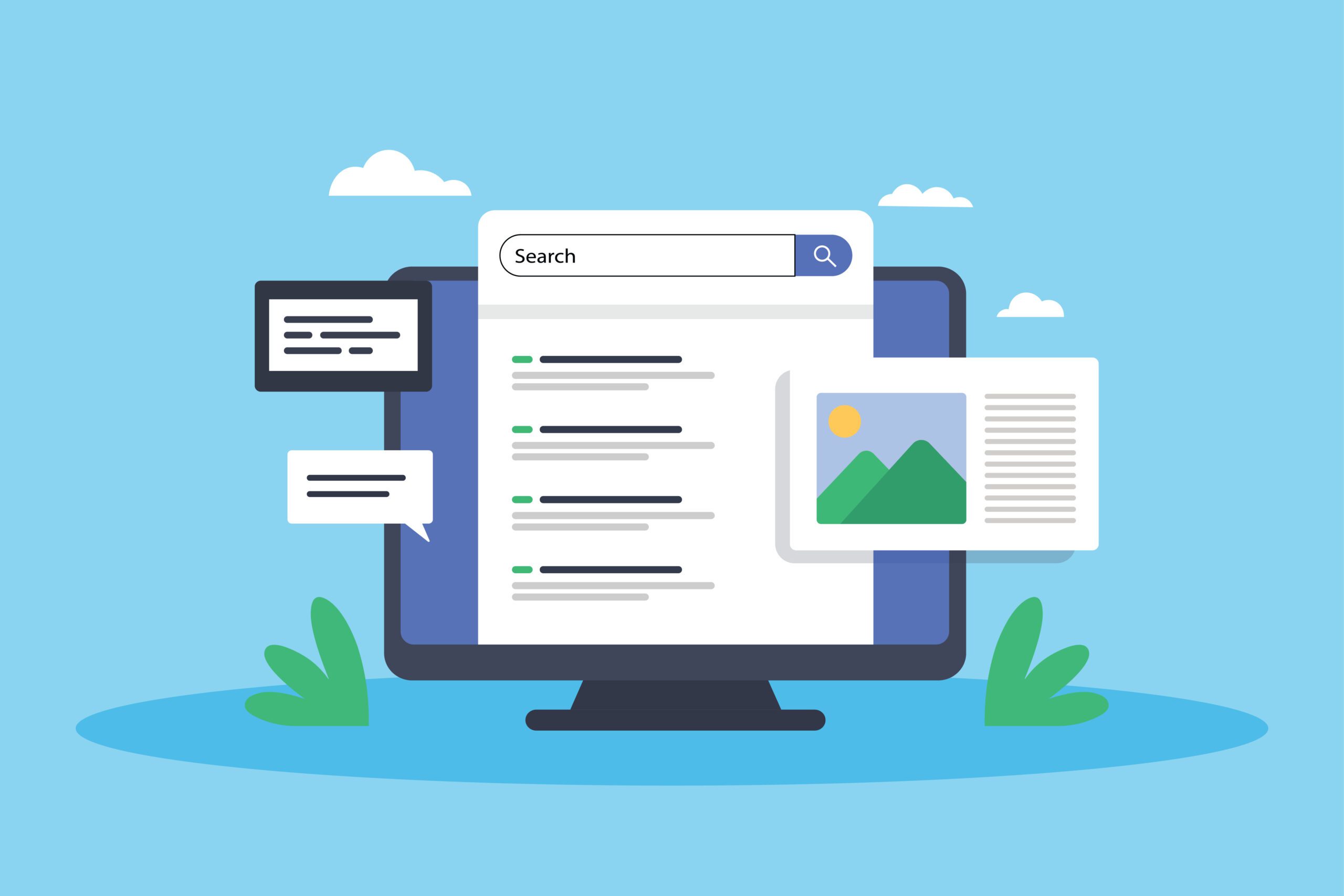
Today, Google SERPs are crowded with SERP features. Featured snippets, People Also Ask, local pack results, AI overviews, image carousels, and knowledge panels often appear before any blue links. In many searches, traditional organic listings are pushed below the fold.
As a result, SERP feature placement now shapes trust more than ranking position.
The Search Engine Results Page Has Changed
A search engine results page is no longer a simple list of organic results.
Google displays multiple SERP features on a single results page, often triggered by the same query. These features are designed to answer the user’s query faster, with less effort.
Common Google SERP features include:
- Featured snippets
- People Also Ask
- Knowledge panels
- Local pack and Google Map results
- AI overviews and AI-generated summaries
- Image carousels and video results
- Rich snippets with star ratings
- Top stories and news box results
- Shopping results and paid ads
Each of these elements competes for SERP real estate. Each one sends a trust signal to the user before they evaluate the ranking position.
Why Position Matters Less Than It Used To
Traditional organic rankings assume users read from top to bottom.
In reality, users scan.
Eye-tracking data and click behavior indicate that users first focus on visually distinct elements. SERP features stand out. Blue links do not.
When Google inserts featured snippets, knowledge graph results, or AI overviews, the #1 organic result often loses visibility and click-through rate. In some cases, CTR for the top organic listing drops sharply when a direct answer appears.
This is why ranking position alone is no longer a reliable measure of trust or search visibility.
SERP Features Feel Like Google Endorsements
SERP features are not just visual elements. They feel curated.
When Google displays a featured snippet, a knowledge panel, or an AI-generated summary, users assume the information has been validated by Google. This perception matters more than whether the source ranks first.
From a user perspective:
- Featured snippets look like “the answer”
- Knowledge panels feel official
- Local pack listings feel verified
- Rich snippets with star ratings feel socially approved
- AI overviews feel authoritative, even when imperfect
Trust forms quickly. And once it forms, users rarely scroll to compare organic listings.
Featured Snippets vs Traditional Organic Results
Featured snippets, sometimes called position zero, often appear above all organic search results.
They provide a brief description or direct answer pulled from a page Google understands well. These snippets can capture a large share of attention and clicks, even when the underlying page is not the #1 organic result.
To optimize for featured snippets:
- Match search intent precisely
- Use clear headers and structured formats
- Answer the user’s query directly
- Avoid keyword stuffing
- Keep explanations concise
Featured snippets reward clarity, not authority alone. This is why newer or smaller websites can appear above established competitors if their content structure aligns better with user intent.
People Also Ask Shapes Expectations, Not Just Traffic
People Also Ask is one of the most influential SERP features on the results page.
PAA boxes surface related queries based on the user’s search intent. They expand dynamically as users interact. This changes how users explore information.
Instead of choosing between organic listings, users follow Google’s suggested path.
This matters because:
- PAA frames the question of which questions are “worth asking”.
- It shapes topical relevance
- It reinforces trust through repetition
- It influences how Google understands the topic
Content that appears in PAA builds authority even when it does not receive a direct click. Visibility itself becomes the signal.
Local Pack Results Override Ranking Position
For location-based queries, the local pack often captures most of the attention.
Google Map results, reviews, star ratings, and proximity signals appear before organic listings. Businesses outside the local pack may rank well organically but still receive less traffic.
To appear in the local pack:
- Create and maintain a Google Business Profile
- Ensure accurate location data
- Encourage customer reviews
- Align content with local search intent
For local searches, trust is tied to relevance and proximity, not ranking position.
Knowledge Panels and Entity Trust
Knowledge panels pull data from sources such as Wikipedia pages, structured data, and Google’s Knowledge Graph results.
They consolidate relevant information into a single view. When present, they become the reference point for the entire SERP.
Knowledge panels influence trust because:
- They reduce uncertainty
- They signal entity legitimacy
- They control first impressions
Ensuring accurate, structured data and consistent entity information across the web helps Google accurately understand and display your brand.
AI Overviews Change Visibility Without Clicks
AI overviews and AI-generated summaries are now part of Google SERPs.
These summaries pull data from multiple sources and present synthesized answers directly on the results page. In many cases, users do not click through.
This creates a shift:
- Less immediate organic traffic
- More importance on being cited or referenced
- More emphasis on structured data
Structured data feeds AI understanding. Pages that rank well and clearly explain topics are more likely to be used as source material.
Visibility still matters, even without a click.
The Real Goal: Owning the Entire SERP
Modern SEO is no longer about owning a single ranking position.
It is about owning visibility across the entire SERP.
That means:
- Appearing in featured snippets
- Being included in People Also Ask
- Showing up in image carousels or video results
- Ranking organically where possible
- Maintaining presence in local packs or knowledge panels
Brands that succeed focus on multiple SERP features, not just traditional organic rankings.
How to Optimize for SERP Feature Placement
A practical SEO strategy now includes:
- Keyword research focused on search intent, not just search volume
- Content structured for clarity and relevance
- Implementing schema markup for rich snippets
- Improving page speed and technical SEO
- Creating content that answers related queries
- Optimizing images with descriptive file names and alt tags
- Keeping entity data accurate and consistent
Tracking SERP performance matters. Not just rankings, but where and how your site appears on the results page.
Trust Is Built Before the Click
The most important shift is this:
Trust is often formed before a user clicks anything.
SERP feature placement shapes perception. It influences credibility. It affects how users evaluate relevance.
Even when no click occurs, visibility still matters.
Search engine optimization today is about being present where trust is built, not just where rankings are measured.
Final Takeaway
Position still matters. But it no longer tells the full story.
SERP features now control attention, authority, and trust on the search engine results page. Brands that adapt will gain greater visibility, credibility, and long-term value.
Those who only chase blue links will keep losing ground.
The SERP has changed.
Trust changed with it.