What Is an Online Reputation and Why Does It Matter?
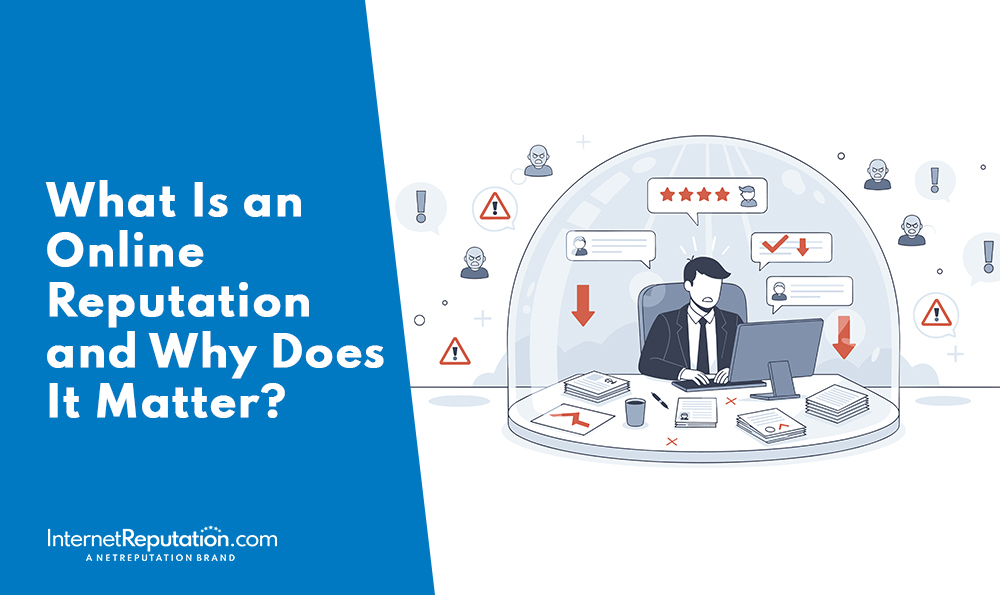
Have you ever asked the question, “What is an online reputation?” While this is a term that’s used often, especially in the business and personal branding worlds, you may not be clear on what it actually means.
An online reputation is the sum total of all the information available about you on the internet. It includes everything from your name and contact information to what others say about you online.
Moreover, your online reputation management (ORM) — meaning the way you control and guide your digital presence — can have a huge impact on your life, both professionally and personally. That’s why it’s important to take steps to protect your brand’s reputation and manage it proactively.
We can help you with your business’ online reputation, even if you’re starting from zero or rebounding from reputational damage. Call us at 941-259-4554 for more information.
What Makes Up Your Digital Reputation?

Your online reputation is essentially the public’s perception of your business or who you are as a person.
It includes all the information that’s available about you online, from your name and contact information to what others say about you in forums, social media posts, blog comments, and more.
A brand’s reputation — whether that’s your personal brand or your business’s reputation — is the sum total of all your online activity, including everything you post to social media websites like X and Facebook. It also includes every comment you post to blogs, news articles, forums, and other sites where people congregate on the web.
Your online reputation can affect both your personal life and your professional life, so it’s important that you understand what others see when they search for you online.
Why Is Your Online Reputation Important?

Online reputation matters because it plays an essential role in how people interact with you on the web.
Your digital reputation significantly affects how people perceive you, which can lead them to positively or negatively engage with you at work, in social settings or online — or avoid engaging with you altogether.
For example, let’s say someone performs a Google search for your name. They find a positive online presence, including flattering blog posts about you on reputable websites and stellar reviews from customers. From there, the individual is more likely to interact with you favorably.
If someone does a Google search for your name and finds several negative reviews and comments about you scattered throughout the first few results, though, they may avoid interacting with you altogether.
It’s important to realize that what people find when they search for you on Google can affect how they perceive you as a whole, which can have a huge impact on not just your professional life, but also your personal life.
Consider this: According to research from Harvard Business School, employers are more likely to hire applicants who rank highly in web searches than those who do not.
On the flip side of that equation, if someone sees that an applicant’s online search results are mostly negative, they may assume that this person isn’t trustworthy or reliable enough to work for their company, regardless of how qualified they may be.
This can create a serious problem for job applicants who receive poor search rankings due to content posted by former employers or disgruntled customers.
Our clients come to us when they need to build or repair their brand’s credibility. Call us at 941-259-4554 to learn more.
Crafting a Positive Online Reputation
The good news is that you can take steps to protect your online reputation and ensure that your search results are positive. Here are a few tips to get started:
- Make sure there isn’t anything negative or conflicting in your search results.
- Ensure that the content about you online is consistent everywhere, even when it comes to the spelling of your name.
- Any potentially damaging content or negative reviews from your past should be removed from the web if possible.
- Engage with others and participate in conversations online to improve your reputation.
Most importantly, though? Remember that while some people may not care what’s posted about them online, some will, and your online reputation management strategy needs to consider those who care about your online reputation.
That means it’s important for everyone who has an online presence – whether on TikTok or Facebook, blogs, or news sites – to take responsibility for their public-facing persona by creating engaging content, encouraging honest online reviews, participating in their own online reputation management, and fostering constructive relationships with others while online.
Protecting Yourself From Online Reputation Damage

The good news is, your online reputation isn’t something you have to passively accept and live with. You can take proactive steps to protect and enhance it.
For example, if your name is hard to spell or pronounce, you can register a domain name consisting of your full name and then link that site to all of your social media profiles. By doing this, you’ll make it easier for people (and search engines) to find your online content when they search for your name.
Furthermore, if someone has posted negative reviews about you somewhere online, you can take steps to remove that damaging content or put in place measures that show how or why it’s inaccurate.
You might also consider hiring ORM professionals who specialize in removing negative online content and poor online reviews from the web. This is especially important if one particular result shows up high in Google when someone searches for your name or your business.
If someone searches for you online and sees only negative information about you, it’s likely to diminish your professional reputation — and possibly even damage your personal life.
That’s why it’s so crucial that you take steps, either on your own or with the help of local professionals, to ensure that what people find when they search for your name promotes, rather than diminishes, your online reputation.
InternetReputation.com provides the information and services you need to protect your search engine and social media presence. Get started with a free online reputation analysis by calling 941-259-4554 today.
5 Examples of How a Solid Online Reputation is Created

Since your online reputation is based on the sum total of what people find when they search for your name, it’s important to understand what sorts of things can influence how people perceive you. Here are five common factors that may affect an online search:
1. News Snippets on Google
When you conduct a Google search for someone’s name, you might notice that some results show up in sections called “Top stories” and “Also in the news.” These results are pulled from leading news sources, like local and national TV stations, Yahoo!, and others.
What if these top news results include negative feedback or damaging information about you or your brand, though? It could deter potential customers and social connections from interacting with you. Additionally, these types of search engine results could completely push your positive results out of view on Google.
Monitoring these results should be part of your online reputation management strategy. It’s easy to do this with the help of social listening tools like Google Alerts.
2. Links from Other Websites
When you publish something on the web, such as an article or blog post, chances are good that you’ll link to it from your social media profiles and your website. This is a smart way to enhance your online presence and build your business’s reputation.
Plus, if other people repost one of your articles — especially if they write a comment identifying you by name — then whoever searches for your name will see those links at the top of their search results.
Of course, some links appear more prominently than others. For example, coverage on Forbes or HuffPost will probably outrank a blog post on a relatively unknown site.
Overall, though, the more links you have from trustworthy sites, the better it is for your online reputation management campaign. That’s true even if some of those sites are more niche and less popular than the big players.
3. Blogs and Social Media Comments
Comments posted on social media, blogs, message boards, and other online forums can be particularly influential. They often rank highly in search results, and they often include links to the individual’s or business’s website or social media profiles.
Unfortunately, a lot of online conversations on social media platforms and similar outlets are negative. This is especially true when a hot-button issue like politics or religion is discussed. It’s also easier for people to say things online that they wouldn’t say to your face.
When it comes to your business’ online reputation, these online conversations can give you insight into the negative experiences your customers have had. Nobody likes hearing negative feedback from dissatisfied customers. However, you can look at it as an opportunity to right the wrong and gain back their trust.
4. Reputation Management Sites
If someone has made repeated negative postings about you, there’s a good chance that one of them will end up on a reputation management website. These sites offer to clean up your online reputation in exchange for a monthly subscription fee. However, they often post positive information about brands alongside the negative stuff. This increases their page views and justifies their fees.
Plus, many of these websites sell fake testimonials from fake clients. You have no way of knowing if any of the posts or testimonials are real or not. In fact, some people set up these sites just so they can post embarrassing things about their ex-spouses, business rivals, and so on.
5. Review Sites
Customers are often motivated to share their opinions online in order to help others decide where to spend money. Unfortunately, customer feedback comes in two forms: good and bad.
Potential customers will read your online reviews when deciding whether or not to trust your brand. No brand is safe from negative reviews. However, you want more positive than negative feedback. That way, potential customers will get an overall good feeling from your business.
Online reputation management works by boosting a positive online reputation while reducing negative reviews and search results for your name and business. This shows potential customers the brand image you want to promote.
How Can You Improve Your Online Reputation?
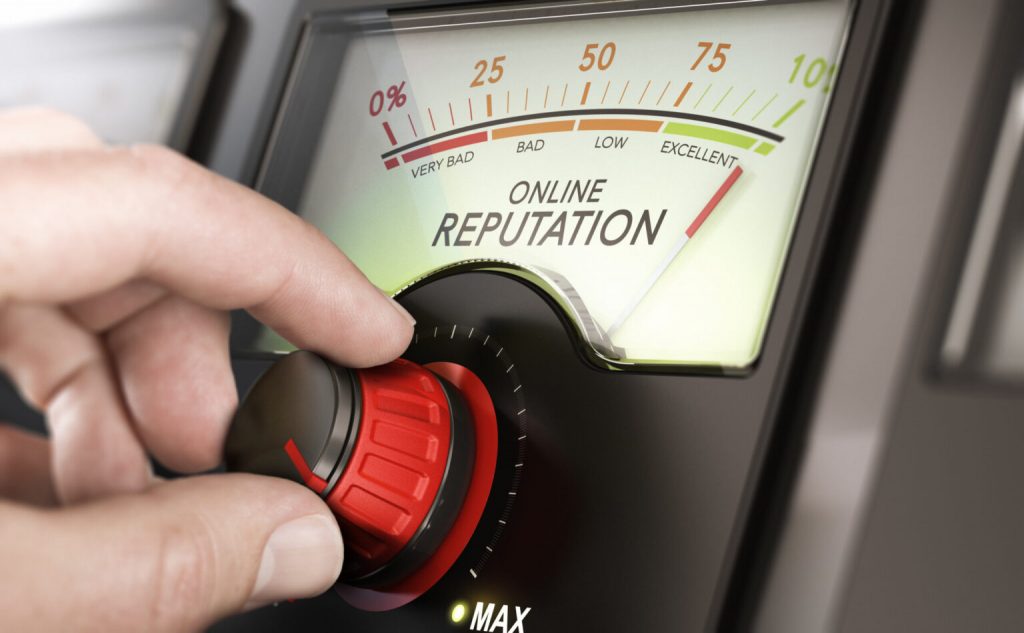
If you want people who are searching for your name to see positive rather than negative results, you will need to manage your online reputation.
The first step is to remove any false, misleading, or defamatory information about you. Of course, this isn’t always easy, especially if the information was shared by people within your network who refuse to take it down.
If you can’t get something removed, the next best option is to ensure that positive posts appear before negative ones whenever possible. This is called content suppression, and it’s a core strategy that ORM experts utilize.
It’s also helpful to encourage customers to leave feedback after engaging with your business. The goal is for positive reviews to push down negative feedback online.
Also, make sure to monitor online mentions so you’ll know as soon as negative content appears online. With a free tool like Google Alerts, you can get an email as soon as your branded keywords appear online. This allows you to respond quickly before a problem snowballs.
This is important to keep in mind, too: No matter how big your budget may be, never buy fake testimonials or post reviews about your own company. There’s no way to make this type of feedback look genuine, and you only risk alienating customers who find out the truth.
When It’s Time To Call in Online Reputation Management Services

In today’s digital world, your online reputation matters. Using the internet to find information about people and businesses has become second nature for most consumers. Even if someone has never heard of you, they might learn everything they need to know simply by typing your name into a search engine.
If you find yourself struggling to manage your online reputation by yourself, consider hiring a professional online reputation management company.
Speak with an expert by calling 941-259-4554 — don’t wait to build the strong online reputation you deserve.