What You Should Know About Online Reputation Management for Doctors
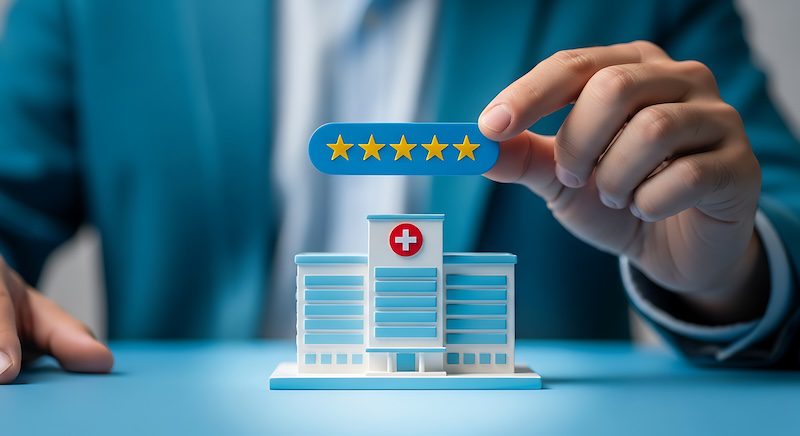
This article about online reputation management for doctors will help healthcare providers who are looking to build a positive online presence.
Doctors need to prioritize reputation management in order to attract new patients, as patients commonly research potential doctors before booking an appointment. Having a positive online reputation is a major consideration when a potential patient is deciding which provider to trust.
In this article, we’ll discuss managing your online reputation, including collecting online patient reviews, responding to feedback and improving visibility in search results.
At InternetReputation.com, we can help you develop a well-rounded doctor reputation management strategy. Call us at 941-259-4554 for more information.
What Do Online Reputation Management Services for Medical Professionals Include?

Being transparent with patients and the public is an essential part of online reputation management. Aspects of reputation management for healthcare providers include:
- Monitoring online profiles
- Addressing negative feedback
- Correcting misleading information
Additionally, the best way to develop a positive reputation, both online and offline, is to consistently deliver high-quality care that puts patients at the center.
Healthcare practices and medical professionals come to us when they need to build or repair their online reputation. Call us at 941-259-4554 to learn more.
The Importance of Online Reviews for a Medical Practice
Review management is an ongoing priority for medical practices and professionals. Here are just some of the reasons why reviews are so important:
- According to Rater8, 84% of patients check online reviews before selecting new healthcare providers.
- 51% of patients read a minimum of six reviews before feeling ready to schedule an appointment with a new provider.
- 45% of patients value providers who actively respond to all types of reviews, even negative ones, because it showcases their accountability and builds trust.
Reviews can also clue you in to patient concerns that you didn’t know existed. For example, have you noticed that a lot of your practice’s poor reviews mention non-clinical issues? Staff training may smooth out the problem.
Additionally, it’s important to respond to online reviews soon after they’re live — both the positive ones and negative feedback — to maintain an active and strong online reputation.
Positive Patient Reviews and Search Engine Optimization

Like it or not, a patient’s perception of a practice’s quality of care is dependent on what they find on Google.
Positive online reviews can help improve a practice’s position on search engine results pages (SERPs). Reviews function as a local SEO ranking factor, and positive feedback can lead to increased click-through rates (CTRs) while enhancing credibility.
Review-related factors that influence SEO performance include:
- Review Keywords: When patients mention certain keywords, such as “dermatology consultation” or “pediatrician,” in reviews, those terms boost your visibility when someone conducts a similar search.
- Review Quantity: Steadily accumulating new reviews shows search engines that your practice is active and trusted by patients.
- Review Velocity: Having a sudden spike of activity or a long period of time without any activity impacts your credibility.
- Response Activity: By actively responding to reviews, Google will assume you’re engaged with users, which improves your visibility.
When your practice is able to collect consistent high-rated reviews, Google and other search engines consider your practice to be popular, relevant, and trustworthy, which improves its visibility in local search results.
How Do Negative Online Reviews Impact Medical Professionals?
For 40% of patients, negative reviews have led to them either avoiding booking an appointment or cancelling an appointment, even if friends and family members have recommended the provider. Similarly, 61% of patients say that personal recommendations aren’t enough to convince them to choose a provider who has negative online reviews.
Primary care providers are the most at risk for this type of behavior from patients. Why? Because patients consider these types of providers the easiest to switch when compared to specialists.
When you see that someone has left a negative review, here’s what to do:
- Respond to the review instead of ignoring it. This makes the person who wrote it feel that they’re heard. It also gives you the chance to remedy the situation.
- Make sure to respond in 3 days or less. Ideally, respond as soon as you can, even as soon as a few minutes or hours after the review is left.
- Personalize your response so that each patient knows you value them. This is a better approach than using a cookie-cutter response template.
- No matter what the reviewer has written or how they speak to you when trying to work the issue out, remain professional. Assume that prospective patients will see the exchange, even if you’re having a private conversation.
We provide the information and services that your medical practice needs to protect your digital presence. Get started with a free online reputation management analysis by calling 941-259-4554 today.
How Your Medical Practice Can Get More Patient Reviews
One of the easiest ways to get more reviews is to ask for them. 74% of patients are at least somewhat likely to leave a review if they’re prompted to.
How, exactly, should you ask patients to leave reviews? Email and text messaging requests are favored over in-person requests and QR codes.
Also, strive to ask for the review shortly after an appointment has ended. 47% of patients are most likely to leave a review within 24 hours after their appointment. Setting up review request automations can streamline the process and increase response rates.
You may also want to follow up with non-responders to make sure they were satisfied with their experience. It’s possible that they’re not providing feedback because they have a complex complaint or feel that whatever they say will go ignored.
Moreover, it’s smart to share positive reviews with the public — but stay HIPAA-compliant, of course (more on that later). Highlighting glowing reviews increases social proof and makes your practice more trustworthy to prospective patients. Plus, it may encourage other satisfied patients to leave their feedback, too.
The Role of Social Media in Medical Reputation Management

While review sites are a cornerstone of stellar online reputation management for doctors, social media also plays a part.
It’s common for patients to check social media profiles when choosing a healthcare provider. Neglected social media profiles that are inactive or outdated are a turn-off for many patients. Instead, having an active presence on your chosen social media platforms is best for building patient trust.
Social media is able to create a strong online reputation in several ways:
- Demonstrate your expertise by posting educational content
- Highlight how your practice is involved with the community
- Show your in-office staff culture
- Share patient testimonials (as long as you have consent)
- Clarify the situation in the event of a reputation crisis
Overall, maintaining an active social media presence humanizes your practice and makes people comfortable when deciding if they should trust you.
Here’s something to keep in mind, though: Make sure that you can actively manage comments and questions that people leave on your social media profiles. If you’re not able to respond to direct messages from multiple accounts, for example, then select the one or two social platforms that are best for your business.
Think of communication with the public in the same way you think of reviews. Letting a comment, complaint or question go unanswered for too long will undermine your authority.
How Medical Professionals Should Handle a Reputation Crisis

While every medical provider gets a bad review now and then, a reputation crisis is a much different type of situation, requiring a more complex approach. Examples of a reputation crisis include:
- A negative post goes viral
- Your practice attracts unwanted media attention
- Patients make public allegations of malpractice
- Staff misconduct becomes known to the public
In the event of a crisis, reacting too fast can have negative consequences. While speed does matter, you don’t want to move so fast that you’re sloppy. A thoughtful approach shows that you’re concerned about the issue, taking it seriously and remaining committed to professionalism.
Here’s how to approach this type of situation:
- Pause before you respond. The last thing you want to do is reply in an emotionally charged way.
- Ensure compliance. Notify compliance officers and legal counsel right away. They’ll ensure you don’t make any legal missteps as you navigate the issue.
- Appoint a spokesperson. Instead of having multiple voices address the issue, which can cause confusion, one individual should be the designated speaker.
- Prepare a statement. Communicating in a clear and concise way to the public is crucial.
- Monitor online chatter. Staying on top of the online conversation will help you determine if your damage control efforts are working.
It’s smart to have a basic crisis response plan ready to go ahead of time. That way, if something does happen, you have an outline to work from instead of starting from scratch.
Auditing and Monitoring a Doctor’s Online Reputation
It’s important to regularly audit your online reputation. Reputation management is measurable, and tracking specific metrics lets you know if what you’re doing is working or not.
Key performance indicators (KPIs) that are important for medical professionals to track include:
- Average Star Rating: What’s your overall rating across all platforms? Patients may filter out providers that fall below 4 stars.
- Review Volume: This metric tracks the total number of reviews you’ve received. The higher the volume of reviews, the more credible your practice will seem. Plus, more reviews mean that the negative ones may have a smaller impact.
- Review Velocity: This metric tracks how frequently new reviews are posted. When your review activity is consistent, your practice will be viewed as relevant.
- Response Rate and Time: These metrics gather information about how often and how quickly you respond to feedback. The more often you respond, and the faster those responses are, the more patients will feel valued.
- Sentiment Trends: This type of analysis reveals operational strengths and weaknesses by analyzing repeat comments.
Make sure to go over your business profiles on sites like Google, Healthgrades and Yelp, too. Update them as necessary so your presence online stays relevant. The following information should be standardized wherever you appear online:
- Hours of operation
- Insurance accepted
- NAP (name, address, phone number)
- Services offered
In addition to knowing about what exists online, you also need to know when new information appears on the internet. Monitoring tools like Google Alerts can constantly scan the web for new mentions of your name or practice, then alert you whenever there’s a new search result. Every time you’re mentioned online, you’ll receive a notification, allowing you to act on it ASAP in the best way possible.
Overall, regularly auditing your online reputation will help you establish a baseline of patient feedback. From there, you can address patient concerns at different stages of the client’s journey and see if positive feedback is trending upward or downward over time.
HIPAA and Legal Considerations in Online Reputation Management for Doctors
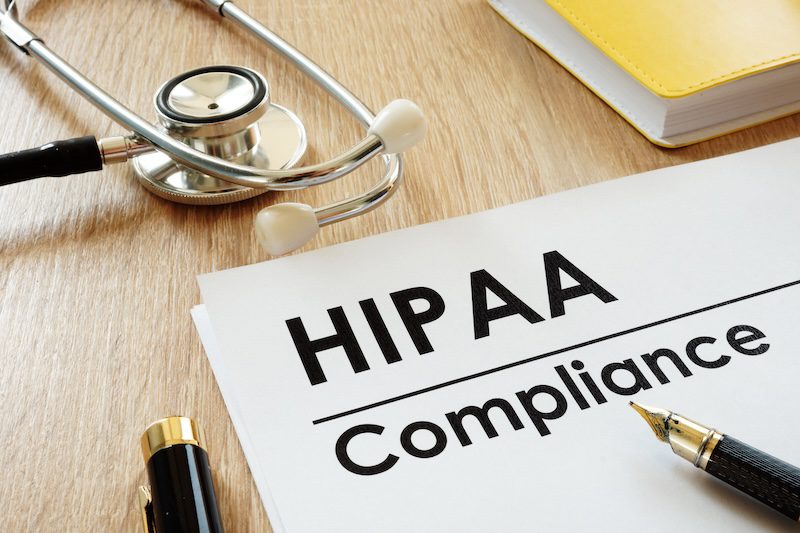
Online reputation management comes with an added layer of complexity when discussing healthcare: legal compliance. Unlike many other industries, medical professionals have to abide by strict regulations when interacting with patients.
For example, under HIPAA, you can’t confirm if someone is a patient of yours, even if they leave a review of their experience. While you may want to clarify details for the public or defend your practice in the case of a negative review, doing this could expose protected health information (PHI).
To protect yourself, keep the following in mind when responding to reviews:
- Don’t confirm that the reviewer is a patient
- Avoid discussing specifics like appointment details, diagnoses or treatment plans
- Make sure your responses are general and professional
- Ask that people contact your office directly to ask questions or resolve patient concerns
Managing your reputation online should protect your credibility while maintaining your compliance.
Final Thoughts About Online Reputation Management for Doctors and Medical Practices
Online reputation management is about more than damage control; mostly, it’s about building patient trust on a large scale.
Today, patients don’t choose a provider based on proximity or even a trusted referral. Instead, they evaluate practices the same way they do most other services: by checking out your online presence, reading reviews and assessing how you engage with the feedback you receive.
Every time you reply to a review, update your online profile or conduct any other type of public interaction, you’re adding to the story that your practice is telling. By regularly monitoring your online presence, thoughtfully responding to feedback, and encouraging your happy patients to share their experiences, you can exercise more control over that story.
With time, you’ll build credibility, strengthen your professional relationships with your patients, and improve your online visibility. This has a cyclical effect, too, and can lead to more appointments being booked while supporting your practice’s long-term growth.
To reiterate, online reputation management for doctors isn’t a one-time task. It’s a steady and ongoing commitment to communication, transparency and quality care. When you approach your professional reputation strategically, it can become one of your most powerful tools for retaining existing patients and attracting new ones.
When you’re ready to take a proactive approach to online reputation management for doctors, we can help you put a strategy in place for your medical practice. Speak with an expert by calling 941-259-4554 today.